







You’ve likely noticed the shift—times when you’re no longer just visiting your parent. Instead, you’re spending time together checking their medication schedule, looking over home maintenance needs, or coordinating transportation.
A point may come when your parent's daily needs outweigh what you can reasonably manage on your own and you may wonder if now is the time for assisted living. Helping them transition from their current home to a supportive community is a move that maintains their independence through a tailored living experience. It’s about keeping your parent safe and socially engaged, while you return to the relationship that matters most: simply being their child.
In this guide, we’ll discuss how to recognize when an older adult may no longer be safe living alone and the signs your parent needs assisted living or memory care.
Explore the Cedarhurst® resource hub for more information about finding support and balance as a family member.
In this guide, we'll discuss:
- How to Spot the Signs Your Parent Need Help
- Transitioning from Caregiver Back to Family Member
- FAQ: Families Also Ask
How to Spot the Signs Your Parent Needs Help
Noticing these early signs isn't a failure in your care or your older family member’s independence. Instead, these are simply indicators that it may be time for assisted living and that a more tailored experience could improve their daily life, delivering the right level of support so they can focus on what they enjoy most.
1. Physical Safety and Fall Risk
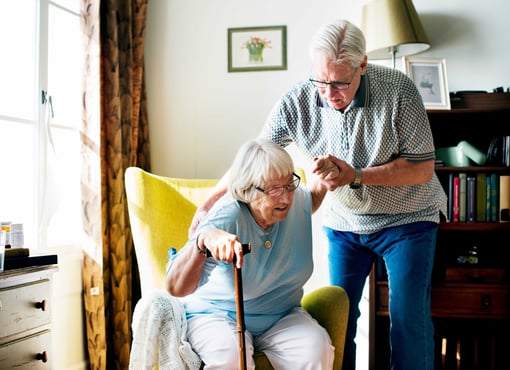
More than one in four people age 65 or older falls each year, according to the National Institute on Aging. Because safety is a primary concern for many families, recognizing the subtle changes in how your parent moves is key to preventing a serious injury.
What to look out for:
- Unexplained bruising or injuries
- Difficulty standing up from a seated position
- Steadying themselves while walking
- Reluctance to use stairs or move between rooms
- Holding onto furniture or walls for support
For more information, see:
- Senior Home Safety: Essential Tips for Preventing Falls and Accidents
- Medical Alert Systems: What Works, What Doesn’t, and Who Needs One?
2. Dining and Nutrition
Proper nutrition is essential to good health, but it often becomes a secondary priority when the burden of grocery shopping and cooking alone becomes too much for an older adult to manage.
What to look out for:
- Expired or spoiled food in the refrigerator or pantry
- Significant weight loss or a noticeable change in how their clothes fit
- Reliance on "easy" meals, such as frozen dinners or toast
- Skipping meals to avoid the effort of cooking, or a kitchen that looks unused
3. Social Isolation
People often focus on physical fitness, but social health is just as important to a person’s overall well-being. If your family member is spending more time alone, they may be missing out on the welcoming atmosphere and supportive connections that help them feel valued and motivated.
What to look out for:
- Withdrawal from hobbies or interests they used to enjoy
- Spending most of the day alone or in front of the television
- Changes in mood, such as appearing anxious, quiet, or discouraged
- Infrequent contact with friends or people outside their current residence
4. Medication Management
Managing a growing list of prescriptions is a complex task that becomes more difficult as a person ages. The U.S. Centers for Disease Control (CDC) estimates that one in five older adults takes five or more prescription drugs regularly. This leaves a lot of room for error—not just in missed doses, but also in improper storage or adverse interactions. Having a trained professional provide medication management is one of the most reassuring benefits of a senior living community.
What to look out for:
- Full pill bottles that should be empty, or empty bottles that should have refills
- Confusion about which medications to take at specific times of day
- Dizziness or increased fatigue, which can often be a side effect of improper dosing
- Forgotten refills or missed appointments with a primary care provider
Transitioning from Caregiver Back to Family Member
Supporting your family member as they age is an act of love, but there may come a point when their needs are beyond what one person can provide alone. While you can offer wonderful companionship and occasional help, more intensive needs require the consistency of staff on-site 24/7 and the comfort of regular social interactions with peers.
The Responsibilities of Caregiving at Home
Supporting your parent at home often starts with small favors, but those tasks can quickly evolve into a full-time responsibility. When you take on the role of primary caregiver, your time can be consumed by a growing list of logistics, including:
- Managing grocery shopping and meal preparation
- Handling maintenance such as home repairs and yard work
- Scheduling appointments and coordinating transportation
- Overseeing complex medication management
In some cases, providing this level of support may even require your parent to move into your home. While all these forms of support come from a place of love, they often leave you with less time to simply enjoy each other’s company because your visits become focused on to-do lists rather than meaningful connection.
Community Living as an Opportunity to Support Independence
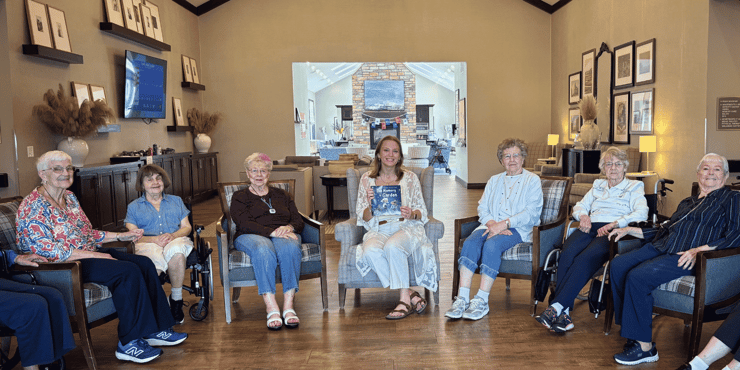
In a senior living community, the goal is to support independence, not replace it. When your family member moves into a Cedarhurst community, they’ll get access to a tailored experience designed to support their interests and routines.
“It is important to get away from the mindset of waiting until a situation is ‘bad enough’ to make a change,” says Cassidy Johnson, Manager of Clinical Operations at Cedarhurst. “You can move into a community and still be completely independent. Many residents still drive and don’t need or want daily assistance—they simply choose this life for the amenities, like having meals prepared or not having to worry about housekeeping and lawn care.”
Here’s what you can expect from Cedarhurst communities:
- Meaningful social connections. Loneliness is a significant health risk. According to a recent AARP study, 40 percent of U.S. adults now report being lonely, a significant increase from 35 percent in both 2010 and 2018. Cedarhurst provides daily events and programs that make it easy to build new friendships and stay engaged.
- Chef-styled dining: Crafted by Cedarhurst® offers fresh, tailored menu items, including heart-healthy and diabetic-friendly choices, so residents enjoy delicious meals without the stress of grocery shopping or cleanup.
- Staff on-site 24/7: From transportation to medication management, the Cedarhurst team is available to provide the right level of support at the right time.
- Personalized care and safety: Cedarhurst communities are designed with older adults in mind to minimize the risks found in a family home, such as stairs or trip hazards.
- Support for the future: One of the most reassuring benefits of Cedarhurst is the continuum of care. If your parents' needs evolve, such as requiring the additional security measures and routine of a memory care, that support is available on-site at many of our communities.
Moving into a community sooner gives your family member the freedom to enjoy these amenities while they are independent. When you become proactive about your parent’s care, you ensure they have the support they need to live life to the fullest on their own terms.
When it’s time for assisted living, starting the planning process early empowers everyone involved to make calm, thoughtful decisions together before an urgent need arises. When the time feels right to talk, focus on the ways care services help your parent stay independent. A conversation centered on the benefits, like opportunities to meet new people and relief from daily chores, helps provide a sense of reassurance for your entire family. For more specific support, check out the guide for navigating the talk with your family.
Interested in learning more about the right level of care for your parent? Take this assessment to get started: Evaluating Level of Care Assistance.

This post was originally published in July 2021. Revised May 2026.
Contributor
Cassidy Johnson is Manager of Clinical Operations at Cedarhurst Senior Living. In her role, Cassidy works with families directly to improve resident satisfaction in Cedarhurst communities and supports regional nursing teams with care and compliance needs.