











Navigating a transition to senior living can feel overwhelming, especially with acronyms and care terms that can feel like an entirely new language. Understanding the difference between ADLs vs. IADLs is one of the first and most important steps in identifying the right level of care and support you need today—and what may be needed in the future to maintain independence and safety.
Moving sooner rather than later can often enhance independence by providing just the right level of support before daily challenges become unmanageable. Taking time to learn the basics now can make your path forward feel much clearer.
To take the next steps in your senior living journey, explore our comprehensive resources for senior living guidance.
In this guide, we'll discuss:
- What Are Activities of Daily Living (ADLs)?
- What Are Instrumental Activities of Daily Living (IADLs)?
- How to Assess Your ADL and IADL Needs
- What You Should Look for During Your Senior Living Search
- How Senior Living Communities Support ADLs and IADLs
What Are Activities of Daily Living (ADLs)?
Activities of daily living (ADLs) are the fundamental skills people use to manage their most basic physical needs. These tasks focus on day-to-day independence and are often the first indicators care teams use to understand how much hands-on support someone may benefit from.
Common ADLs include:
- Personal hygiene, such as bathing and grooming
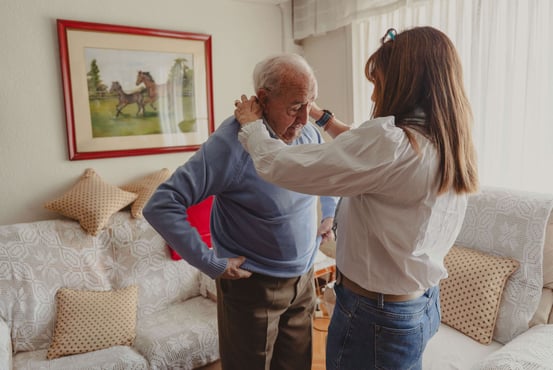
- Dressing and choosing appropriate clothing
- Eating and maintaining proper nutrition
- Mobility, including walking, transferring, and moving safely throughout a home
When people talk about IADLs vs. ADLs, they’re really describing the shift from managing a household to managing personal care.
Research and guidance from the Mayo Clinic both explain that natural changes in the heart, bones, muscles, and senses occur with age. Over time, these changes can affect strength, balance, vision, and energy levels. Becoming aware of these changes early on can help older adults determine when it may be time for some extra hands-on support with their personal care to remain safe, comfortable, and independent.
What Are Instrumental Activities of Daily Living (IADLs)?
Instrumental activities of daily living (IADLs) are more complex tasks that allow someone to live independently within a community. While ADLs focus on personal care, IADLs center on the responsibilities required to manage a household and maintain day-to-day organization.
Common IADLs include:
- Preparing meals and maintaining proper nutrition
- Managing finances, such as paying bills and budgeting
- Arranging transportation for appointments, errands, and social activities
These tasks often require planning, organization, memory, and problem-solving. Because of this, IADLs are frequently the first areas where extra support becomes helpful, even while someone still manages their basic daily care independently.
When IADLs start to become more challenging, it may be time to consider an independent living community. Because these communities do not provide care services, a professional ADL/IADL assessment is not required for independent living. We'll discuss the role of professional assessments more in the next section.
Print out the checklist below to get a clearer understanding of your ADL and IADL needs as you explore your senior living options.
How to Assess Your ADL and IADL Needs
Choosing the right senior living option often begins with a professional care assessment conducted by a nurse to evaluate both IADLs and ADLs. Assisted living communities require this professional assessment as part of the move-in process. Community care teams will also conduct their own ADL evaluation to better understand the level of support you may benefit from. These assessments help families make informed decisions about housing and care services.
Determining the Right Level of Care
During the professional care assessment, the nurse will review how easily you manage daily tasks and household responsibilities. In assisted living, many communities use tiered care levels to measure acuity and determine how much hands-on support may be helpful. This process helps residents receive the right balance of independence and assistance from day one.
Supporting Safety and Reducing Risk
ADL evaluations also help identify potential safety concerns. Challenges with medication management or meal prep, for example, can increase the risk of missed doses, falls, or accidents. Recognizing these risks early helps communities to put supportive measures in place before problems arise.
Creating and Updating a Personalized Care Plan
The results of these care assessments are used to develop a personalized care plan tailored to your needs. These evaluations are then repeated regularly, so the plan evolves alongside changing needs and continues to provide the right level of support.
Unsure what level of support is right for you or a family member? Take our online level of care assessment to get a clearer picture of your care needs. Please note: This resource is an informational tool and not a substitute for the professional care assessment that is required for admittance to an assisted living community.
What You Should Look for During Your Senior Living Search
The next step is exploring communities that can meet those needs today while also supporting the future. Knowing what to look for can make the search feel more focused and manageable.
When evaluating senior living options, consider these key factors:
- A continuum of care: Many communities are designed to adapt as needs evolve, offering multiple levels of support in one location.
- Support for independence and connection: The right environment will encourage social interaction, wellness, and meaningful opportunities to engage while providing help when needed.
- Personalized care plans: Individualized plans focus on strengths and abilities, offering assistance where it’s helpful without taking away independence.
- Compassionate, consistent team members: Staff takes time to learn residents’ names, routines, and preferences to create a more supportive and welcoming environment.
How Senior Living Communities Support ADLs and IADLs
Senior living communities are designed to reduce the burden of daily responsibilities while providing the right level of personal care. Many communities offer a maintenance-free environment that helps handle IADLs, such as dining, housekeeping, and transportation, while also providing supportive care services for ADLs when needed.
Delegating these tasks to a trusted team creates more opportunities to connect with others, pursue interests, and enjoy a fuller, more engaging daily experience.
What Sets Cedarhurst Senior Living Communities Apart
Cedarhurst communities focus on the whole person, not just a checklist of care needs. Support is designed to be flexible, compassionate, and responsive as needs change.
- Personalized care plans are thoughtfully designed to help each resident feel supported and valued.
- Crafted by Cedarhurst® dining provides convenient, nutritious meal options and dining support.
- Staff members are on-site 24/7 to assist with ADLs when help is needed.
- High-quality care is available across assisted living and memory care as needs evolve.
- The Cedarhurst Promise, a 60-day money-back guarantee, offers added confidence when making a move.
Getting familiar with the differences between ADLs vs. IADLs makes it easier to evaluate current needs and plan confidently for what comes next. Even small areas of support can make a meaningful difference in preserving your independence and day-to-day confidence.
At Cedarhurst Senior Living, communities provide a holistic, tailored experience that honors your unique history and preferences while delivering the right level of support at the right time.
Ready to take the next step? Explore ADLs and IADLs care assistance and find a community near you.



.jpeg?width=740&height=370&name=AdobeStock_922556005%20(1).jpeg)