

Skip to content

Navigating Alzheimer's and Dementia

This journey is hard, but you don't have to walk it alone. We'll guide you through your options so you can find support and true peace of mind.

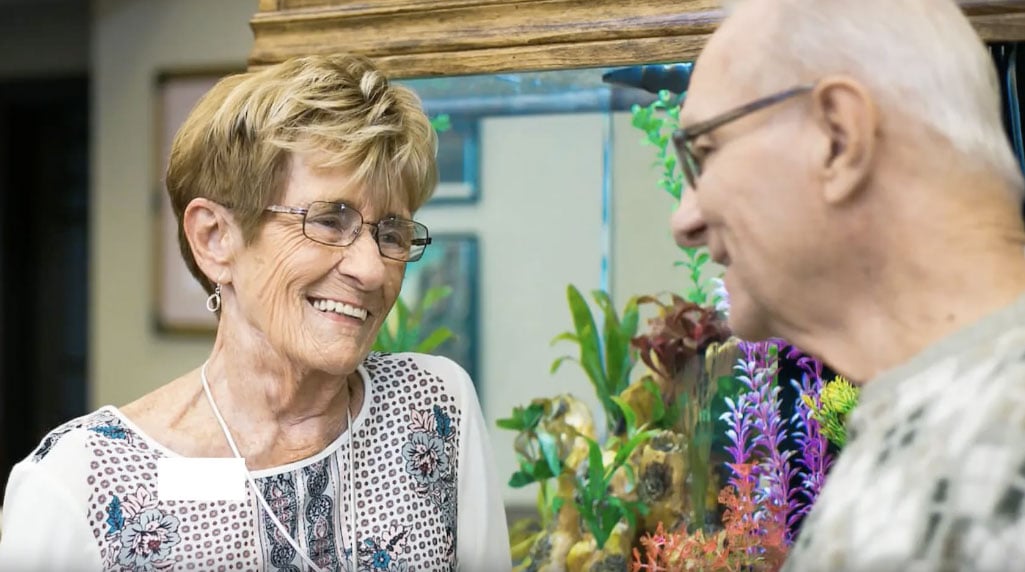
senior woman sitting outside with caretaker

Caregiving for Alzheimer's & Other Forms of Dementia

Compassionate Guidance for Every Step of the Diagnosis and Support Journey

Our resources are here to support you at every phase—understanding memory care for your family member, managing the necessary transition, and providing a welcoming community where they are safe.

Understanding Memory Care

Explore your senior living options with compassionate memory care services.

Supporting a family member through memory loss is a difficult journey. As you seek the best care possible, you deserve clarity and assurance—and that starts with understanding what memory care entails.

Did you know?
Memory care is a specialized form of senior living designed specifically for individuals with Alzheimer's, dementia, and other cognitive challenges. It provides a safe, structured environment with features such as  secured exits and easy-to-navigate layouts to ensure resident safety.

Learn more about memory care at Cedarhurst, which has specially trained staff on-site 24/7 who are skilled in communicating with and caring for those with memory loss.

Resources for Understanding Memory Care

Senior man handing hands with caregiver
Blog

A Caregiver’s Guide to Alzheimer’s and Dementia Care

Get insights and strategies to navigate the day-to-day complexities of caregiving for someone with Alzheimer's and dementia. Learn how to find the right support for your family member.

Become a Confident Caregiver
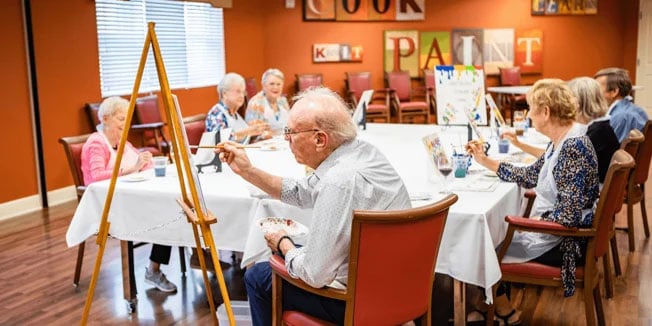
Senior painting class
Blog

How to Care for a Parent with Dementia

Unsure how to best support your parent? Get immediate, practical advice for the next steps to take after a diagnosis.

Care for a Parent

The Transition to Memory Care

Support your family member as they make the move to memory care.

The decision to transition your family member to specialized support is one of the hardest choices you will face. If you're struggling to cope with the transition, remember that choosing this specialized care is an act of love and deep compassion.

Did you know?
When the demands of caregiving exceed what you can safely manage, or when 24/7 on-site care is needed, a memory care community ensures your family member's safety, health, and happiness. This includes a dedicated team, secure surroundings, and opportunities for meaningful interaction around them.

Resources on Transitioning to Memory Care

senior women having coffee together
Blog

When Is the Right Time to Transition from Assisted Living to Memory Care?

Learn the signs that indicate it may be the right time to transition a family member to memory care.

Find the Right Time
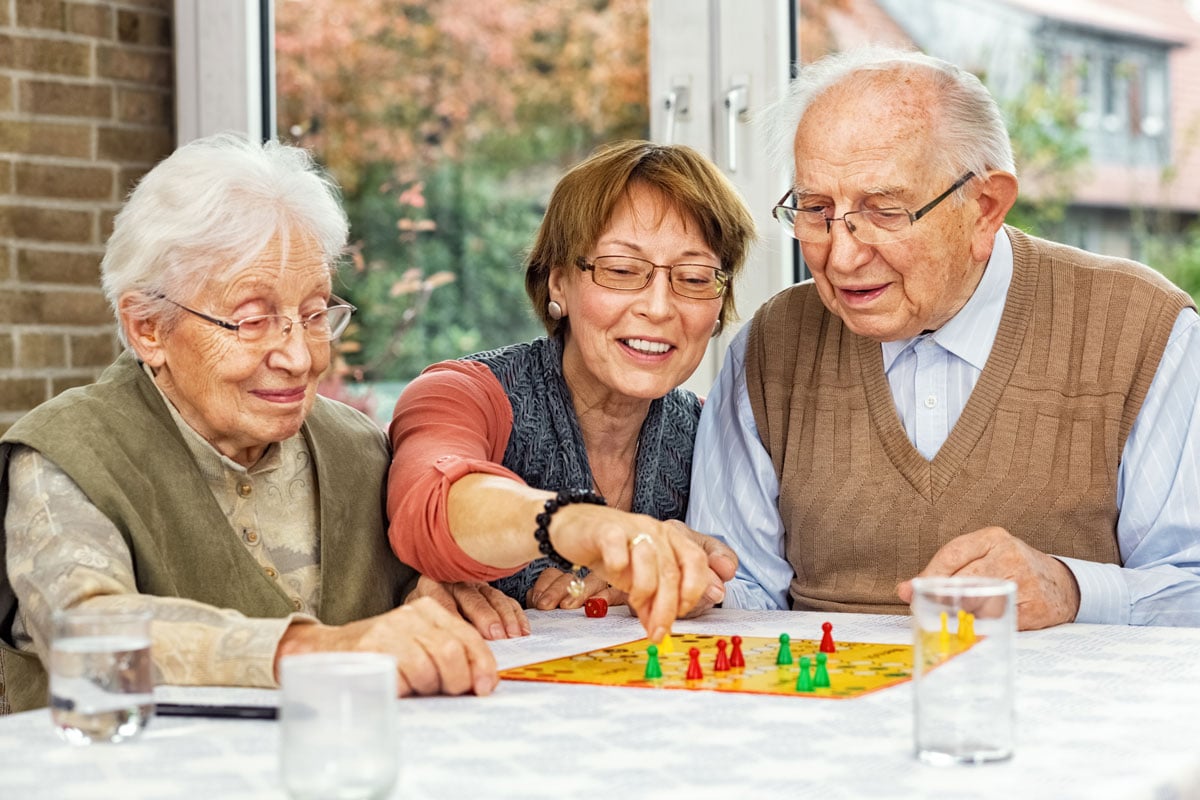
Caregiving for Older Adults

Get support as you provide care for someone experiencing Alzheimer's or other forms of dementia. 

Although caregiving is filled with moments of deep connection, it can also lead to exhaustion and burnout. It's important that you prioritize your own well-being too.

Did you know?
Whether you continue to provide full-time care or oversee their transition to a senior living community, finding the right support and effective strategies can help you sustain your energy and maintain a loving relationship.

Resources for Caregivers
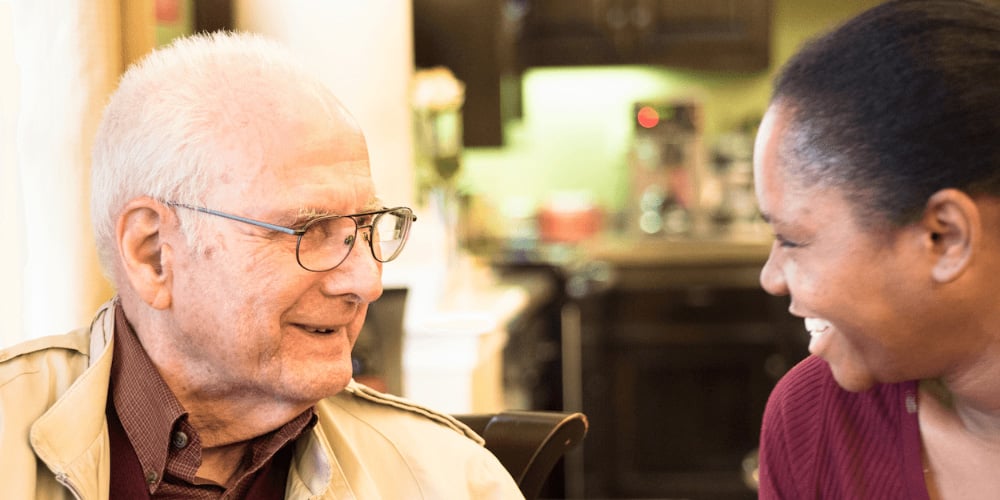
senior man with caretaker
Blog

Inside the World of Memory Care: A Caregiver's Insight

Gain perspective and emotional support from a fellow caregiver's experience.

Read the Interview
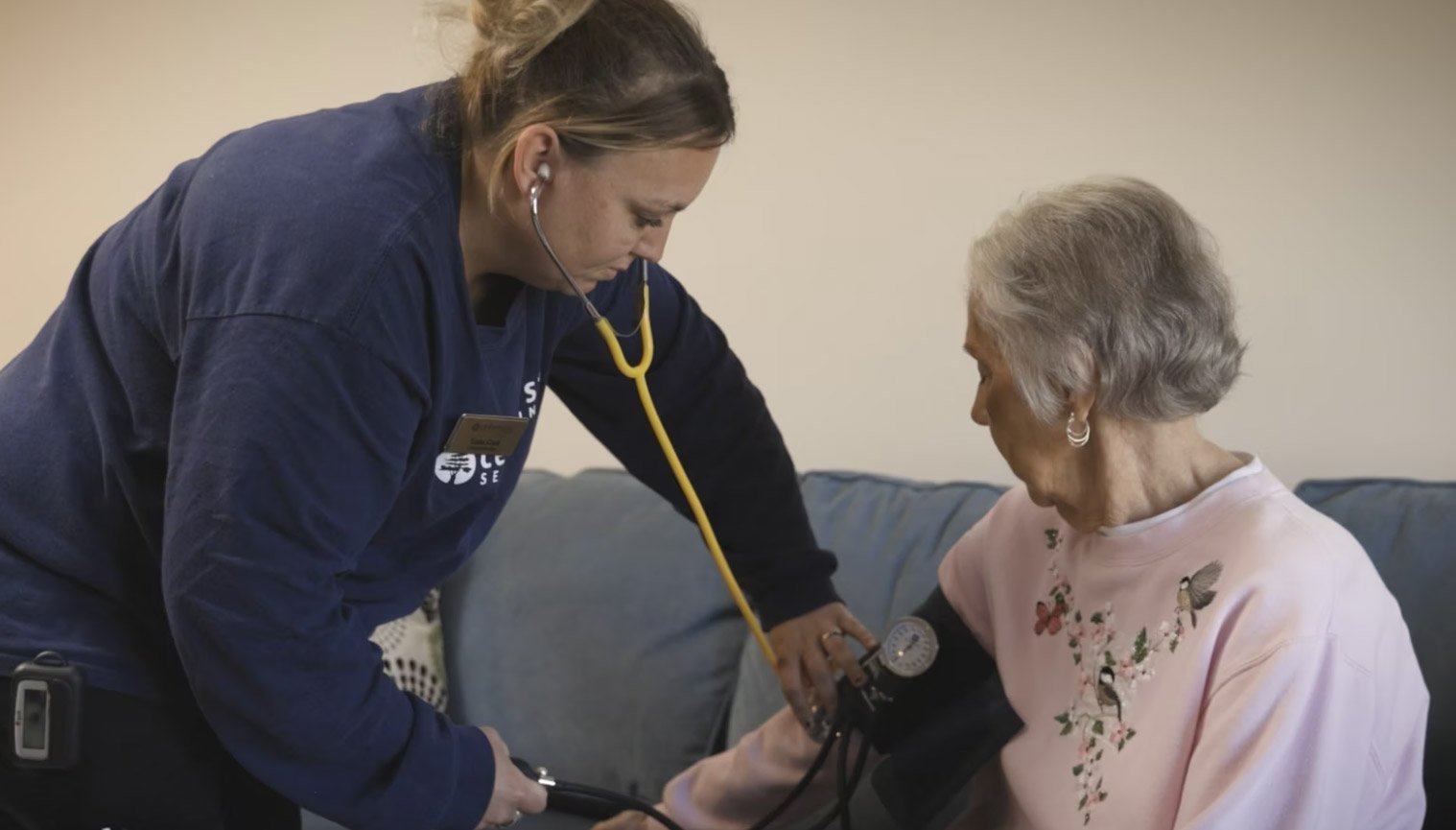
senior getting medical care
Video

How to Transition from Assisted Living to Memory Care

Learn the key steps for a successful transition from assisted living to memory care. This short video covers how to recognize when it's time for a change and what to expect during the move.

Keeping Older Adults Safe

Get peace of mind by keeping your family member safe.

Safety is often the primary concern for family caregivers, especially as dementia progresses. Risks such as wandering, falls, accidents in the kitchen, and medication mismanagement increase as cognitive abilities decline.

Did you know?
A memory care community is specifically designed to mitigate these risks through secure environments, vigilant 24-hour staffing, and safety protocols that allow residents the maximum freedom possible without compromising their well-being. Knowing your family member is safe and secure can bring immense peace of mind.

Resources for Keeping Adults Safe

senior woman smiling
Blog

How Do Memory Care Communities Prioritize the Safety of Residents?

Discover the specific ways memory care communities are designed to ensure the safety and well-being of residents, including secure environments and specialized staff training.

Learn About Staying Safe

senior with walker smiling at caretaker
Blog

The Importance of a Daily Routine for Dementia Care

Learn how structure enhances safety and comfort for residents.

Explore These Daily Routines
Daily Life in Memory Care

Find out what daily routines may look like for your family member. 

Life in a Cedarhurst memory care community is focused on routine, meaningful interactions, and person-centered care. Compassionate staff members work to create a predictable, yet stimulating, environment where your family member is encouraged to participate in activities that connect with their interests, celebrate their abilities, and foster social connections.

Did you know?
These activities, whether it’s music therapy, light exercise, or simply sharing a meal, are tailored to their cognitive level, helping to reduce anxiety and promote joy. Seeing your family member relaxed, cared for, and connected in this setting can shift your focus from constant worry back to simply enjoying their presence.

Resources on Daily Life in Memory Care

senior couple standing on front porch
Blog

Life in a Cedarhurst Memory Care Community

Get a detailed look at the philosophy and programs that nurture memory care services at Cedarhurst.

Explore Life in Memory Care

Senior working on laptop computer
Schedule

Memory Care Monthly Calendar Example

See an example of what a typical month looks like in a Cedarhurst memory care community.

View the Calendar
Starting the Senior Living Journey

It's never too early to start exploring a Cedarhurst community. In fact, for a caregiver, the sooner you find the right support, the sooner you can gain peace of mind and simplify your daily routine. This journey is about preparation, not pressure.

The Benefits of Cedarhurst Support

There's a lot more to Cedarhurst than just maintenance-free living. For both you and your family member, our communities provide comprehensive benefits:

Safety and Wellness: Your family member has access to daily fitness classes, nutritious chef-prepared dining, and consistent, on-site support that makes achieving wellness goals easier and more secure.

Engagement and Connection: Residents enjoy opportunities for personal development and are surrounded by friendly neighbors who offer genuine companionship, helping to combat social isolation.

Your Time Back: The opportunities available at Cedarhurst make care easier for everyone. Your family member can pursue passions, and you can shift your relationship back to spending quality time instead of managing daily tasks.

When Is the Best Time to Move to a Cedarhurst Community?

It's better to choose a community you love long before an unforeseen circumstance—such as a fall or an escalating memory condition—forces you to make a sudden decision.

Get useful tips for navigating this senior living journey, including deciding on the right level of support, making financial considerations, and having the tough but essential conversation with your family member about their care needs.
Find a Community

Explore locations to view pricing, floor plans, and care options near you.

Nearest Community

,

Explore Community

Videos

Explore Our Personalized Approach to Memory Care

View informative videos that offer a glimpse into memory care. You'll get to know the supportive environment, staff expertise, and focus on daily dignity for the person you support.

Assessments

Make Informed Decisions for Your Memory Care Journey

Navigate the decision process with confidence. These confidential tools help you evaluate your family member's cognitive and daily support needs to determine the most appropriate memory care option.

Guides

Navigating the Memory Care Transition

Gain clarity during a difficult time. These detailed guides provide gentle, step-by-step instructions for understanding memory care and managing the complex emotional transition for your family member.

Senior man handing hands with caregiver
Guide

A Caregiver’s Guide to Alzheimer’s and Dementia Care

Get insights and strategies to navigate the day-to-day complexities of caregiving for someone with Alzheimer's and dementia. Learn how to find the right support for your family member.

Become a Confident Caregiver
senior woman hugging daughter
Guide

The Insider’s Guide to Understanding Memory Care Pricing

When it comes to memory care, one price doesn’t fit all. Download your guide now to get a clearer picture about what to expect when it comes to the cost of memory care.

View the Guide
Testimonials

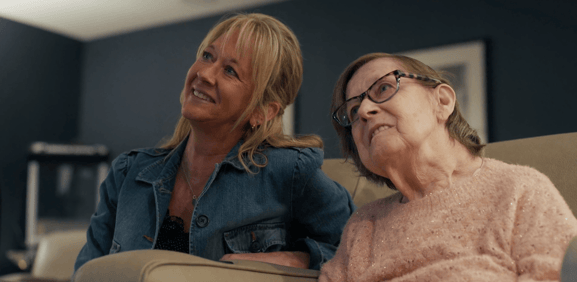
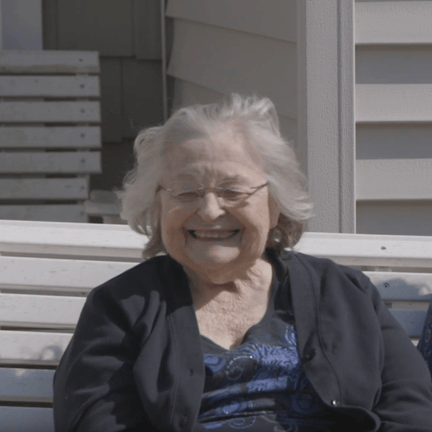
Hear from Residents and Their Families

Find comfort in shared experiences. Read heartfelt testimonials from families who found relief and specialized support by making the difficult, yet necessary, choice of memory care for their family member.

Frequently Asked Questions

Memory Care at Cedarhurst Senior Living

Memory care provides a compassionate, secure environment with a team of specially trained professionals who understand the unique needs of those with cognitive decline. These communities are intentionally designed to promote safety and provide a sense of purpose for residents with Alzheimer's or another form of dementia.

You might consider a memory care community for a family member if you are seeing:

  • Changes in behavior or mood swings that are difficult to manage
  • Confusion or disorientation that may compromise their physical safety
  • Wandering or getting lost, which makes it unsafe for them to live in an unsecured environment
  • Difficulty with daily tasks, such as dressing, bathing, and eating, even with some assistance

We understand how important it is to have peace of mind about the care your family member receives. At Cedarhurst, compassionate, dedicated professionals provide the best possible support, especially for those with cognitive decline.

The following training programs are offered and encouraged:

Alzheimer's Association recognition: Cedarhurst has a dementia care training curriculum that has been approved by the Alzheimer's Association. This curriculum incorporates evidence-based dementia care practice recommendations, which is a sign of a high-quality, up-to-date program.

Certified Dementia Practitioners: Managers are certified as Certified Dementia Practitioners through the National Council of Certified Dementia Practitioners. This means that the professionals overseeing your family member's care have a high standard of expertise, having completed comprehensive training and met rigorous standards in dementia care. This specialized knowledge allows them to provide the most compassionate and effective support possible.

Broad staff training: Dementia training isn't limited to memory care team members. Managers across all levels of care—independent living, assisted living, and memory care—are also encouraged to receive this training. This is a proactive approach, ensuring that all staff members are prepared to interact with older adults who may be living with some form of cognitive decline.

Person-centered care: The training emphasizes a person-centered approach, which means focusing on understanding the individual behind the diagnosis. This involves learning to identify triggers, understand the reasons behind challenging behaviors, and use non-pharmacological methods to address them. The goal is to support each resident's quality of life with respect and dignity.

Continuing education: Team members are encouraged to participate in continuing education modules focused on various aspects of dementia. This ensures that their knowledge and skills are always current.

We understand that a safe and secure environment is essential for peace of mind, especially for those living with dementia. Memory care communities are intentionally designed with your family member's well-being in mind, with multiple layers of security to prevent wandering and ensure residents can live in a comfortable and protected space.

Secure entrances & exits: Cedarhurst memory care communities feature secured entrances and exits with alarms and timers. This allows residents to move freely and safely within the community without the risk of accidentally wandering into an unsafe area.

Thoughtful, safe design: We have created a comfortable, homelike atmosphere that is also secure. This includes enclosed outdoor courtyards and walking paths, so residents can enjoy fresh air and nature in a safe, controlled environment.

Specialized, compassionate team: Memory care team members receive specialized dementia care training approved by the Alzheimer’s Association. They are trained to recognize the signs of wandering, understand the reasons behind the behavior, and use person-centered techniques to compassionately redirect residents when needed.

Cedarhurst communities offer a wide range of activities and programs to stimulate cognitive function and help residents stay sharp and engaged.

Here are some of the ways we support cognitive health:

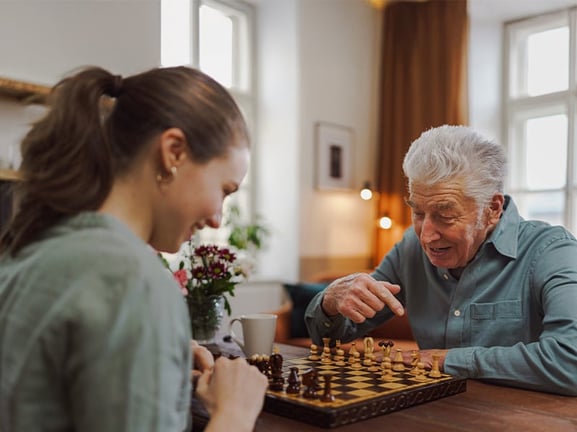
  • Games & puzzles: We have a variety of games available, including board games, card games, and puzzles. These are a fun way to exercise residents' brains, improve problem-solving skills, and enhance memory formation.
  • Educational opportunities: Lifelong learning is a key part of our philosophy. We offer lectures, discussion groups, and classes on various topics to keep residents' minds active and engaged.
  • Creative pursuits: Our arts and crafts workshops allow residents to explore their creativity, which is a great way to improve motor skills and provide a sense of accomplishment.
  • Physical fitness: Physical activity is a proven way to improve cognitive function. We offer fitness programs, including yoga classes and walking clubs, and many communities have fitness centers and walking paths to help residents stay active.
  • Specialized memory care programs: For those in our memory care communities, activities are intentionally designed to be full-sensory experiences. These programs, such as music therapy and art classes, are created to promote well-being, provide a sense of purpose, and support cognitive health in a gentle, compassionate way.

We understand that memory loss affects each person differently, and a person's needs can change over time. Our goal is to provide a caring environment that can adapt to your family member's needs—no matter what stage they are in.

Individualized care plans: We begin with a thorough assessment to understand your family member's history, preferences, and current cognitive abilities. From there, we create a personalized care plan that is tailored specifically for them. This plan guides our team in providing the right level of support, from hands-on assistance with daily tasks to gentle guidance and redirection.

Programs tailored to abilities: Our programs are not one-size-fits-all. They are designed to be engaging and meaningful for a wide range of cognitive abilities. This includes providing programs that are appropriate for people in the earlier stages of memory loss and those that are simple and comforting for people in the later stages. We focus on promoting a sense of purpose and connection rather than focusing on a person’s deficits.

Consistent team & environment: We strive for consistency in our team members and daily routines. This provides a sense of security and familiarity, which is especially important for people experiencing memory loss. Our team is trained to recognize individual cues and behaviors, which helps them anticipate needs and respond with empathy and compassion.

Community design: Communities are designed to be secure, easy to navigate, and free of dead-end hallways. This thoughtful design helps to reduce confusion and anxiety and supports residents' independence within a safe environment.

We know how important it is to keep family members informed and involved. We work to ensure there is open and regular communication with families.

Care plan meetings: We invite the families of those in memory care to be an active part of the care plan process. We hold regular meetings to review progress, discuss any changes, and get valuable input about their family member's preferences and needs.

Connection using our app: We use a specialized family engagement app to help keep everyone connected. Families can use this app to see photos and videos of daily life and to stay up to date on community events and programs.

Direct communication with our team: Our team is always here for the families of residents. We work to build relationships so that family members feel comfortable reaching out to us directly with any questions or concerns.

Educational resources: We also provide educational resources, such as blog articles and guides, to help families stay informed on topics such as senior living and caregiving. This helps empower them to be a strong and knowledgeable advocate for their family members.

Yes, in most cases. We offer a full continuum of care options, including independent living, assisted living, and memory care, so residents are able to receive the right level of support, surrounded by their friends and familiar team members, even as their needs evolve.

While our living options are designed to adapt to each resident's changing needs, there are some situations where additional care may be required. In these cases, a third-party provider may be needed to supplement services, or families can choose to explore living options with more comprehensive care, such as a skilled nursing facility.

Resources

Explore Additional Resources

We know you need ongoing support. Access our full collection of guides and articles dedicated to caregiving strategies, memory care safety, and understanding cognitive change.

senior with walker smiling at caretaker
Blog

The Importance of a Daily Routine for Dementia Care

Learn why a predictable daily routine is crucial for reducing anxiety and providing comfort in dementia care.

Discover the Importance of Routine
seniors outside doing activities
Blog

Why Senior Socialization Matters for Memory Care Residents

Discover how meaningful social interaction enhances well-being and cognitive health in a specialized setting.

Why Socialization Matters
senior with caretaker
Resident Story

A Day in the Life: Memory Care

See what a day looks like in a dedicated community, focused on safety, routine, and personalized activities.

Explore a Day in Memory Care
Senior painting class
Blog

How to Care for a Parent with Dementia

Get practical advice and compassionate strategies for managing the challenges of caring for a parent with dementia.

Get Our Advice

Find a Community

Search pricing, floor plans, and care options near you.

Nearest Community

,

Explore Community