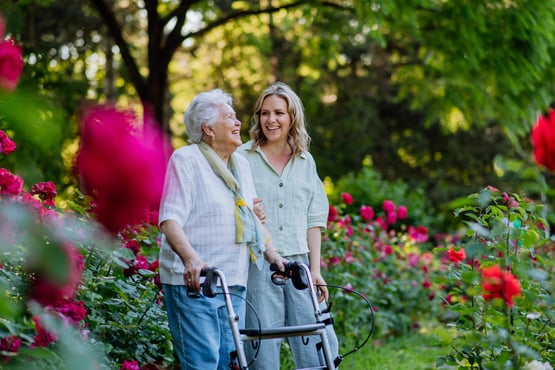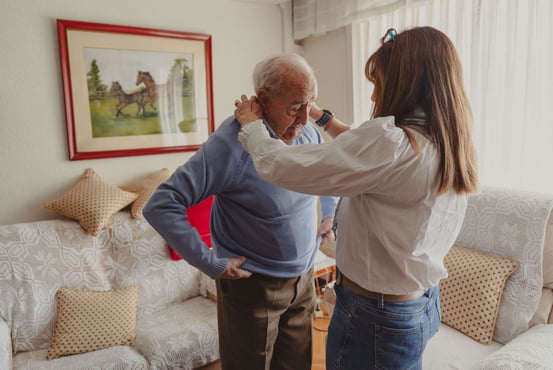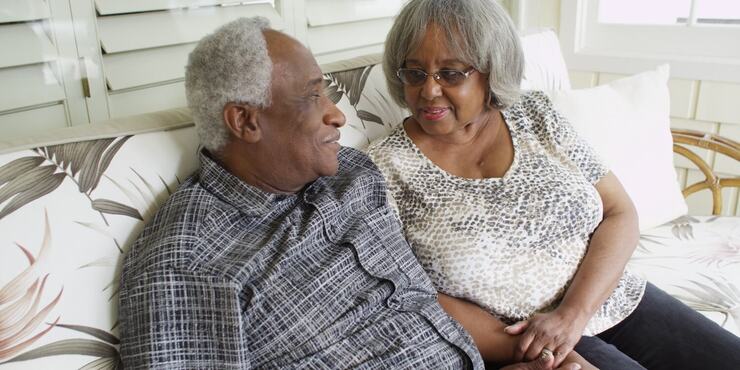
Assisted living opens the door to new possibilities for you and your partner, where you spend less time managing daily tasks and more time simply enjoying each other. When your partner has reliable help with meals, medication, and mobility, you can step out of the role of caregiver and back into the role of partner. Imagine what this may look like for you: sharing a morning coffee, taking a relaxing stroll outdoors, or finding a new favorite activity to try together.
If you've noticed your partner could use more day-to-day support, you may already be exploring what assisted living could look like for your family. It’s natural for both of you to have questions as you start that conversation and begin comparing your options. Your partner may wonder how the change will affect their independence, and you may wonder what your new life together will look like.
The good news is that choosing assisted living for couples with different needs doesn't mean growing apart. With the right community, you and your partner can continue sharing experiences, building new routines, and making memories together. Many couples find the move gives them more quality time and opportunities to grow closer.
In this guide, we'll discuss:
- When Both Partners Live in Senior Living at Different Care Levels
- When One Partner Needs Assisted Living, and the Other Doesn't
- Hear from Couples Who Have Made the Transition Together
- Assisted Living at Cedarhurst®
When Both Partners Live in Senior Living at Different Care Levels
You and your partner may not need the same level of support at the same time, and that's okay. Couples with different care needs often live together in the same senior living apartment.
Different needs don't have to dictate separate residences, unless that's what works best for the two of you. If you'd rather have separate spaces, senior living communities can accommodate that, too.
Living Together with Different Care Needs
At Cedarhurst, if you and your partner need different levels of care, you can still share an apartment — you won’t pay for that space twice. Instead, there’s a monthly second occupant cost that reflects your partner’s individual care plan.
That care plan comes from a care assessment: a conversation with a nurse to get to know your day-to-day needs, things like bathing, dressing, medication reminders, or getting to and from meals. You and your partner are each assessed individually, and it happens on a regular basis — before move-in, again within your first few weeks, and every six months after that, with a fresh look anytime something changes. That way, your plan always reflects where you are right now.
Second occupant costs depend on what that assessment shows. In assisted living, it typically starts around $1,500 a month plus anything identified in the assessment. In memory care, it’s usually a flat $2,500. Every community handles second occupant costs a little differently, so it’s worth asking directly.
Finally, if your partner’s assessment shows no care needs at all, there’s no care cost added — the two of you can simply live together, side by side.
How to Stay Connected When You’re Both in Senior Living
Living in the same community, even with different care levels, gives you lots of opportunities to spend time together. Create routines around shared activities, like taking a walk together, spending time outdoors, or enjoying a favorite hobby side by side. You can also take part in community life as a couple, from dining experiences and outings to outdoor recreation and resident activities.
Access to Additional Care Services
Needs may change over time for either of you. A senior living community helps plan for that. If you or your partner need a different type of care in the future, many communities offer a range of independent living, assisted living, and memory care services with unique care plans, activities, and social opportunities.
When One Partner Needs Assisted Living, and the Other Doesn't
It's normal for partners to need different levels of support at different points in life. Maybe you're still handling things on your own just fine, while your partner requires assistance with daily tasks such as bathing, meals, or managing medications.
When a partner moves into assisted living, you both benefit. Your partner gets support built around their specific needs, from people trained to provide it. And you get the chance to step back from the physical and logistical demands of caregiving.
A move to senior living can have a positive impact on your health, too. Research on caregiving suggests that caring for a partner isn't harmful in itself, but the associated stress can pile up. In one study, partners who felt strained by caregiving tended not to live as long as their peers . Caring for someone you love can be good for you, but carrying the full weight alone, with no break or backup, can wear you down.
That's where assisted living can help. When you share some of that day-to-day responsibility, you have more room to be partners, without stress and responsibilities that typically fall on the primary caregiver.
How to Stay Connected with a Spouse in Assisted Living
With a move to assisted living, you and your partner can remain connected, even if that connection looks different. A few ways to ease the transition and keep your bond strong include the following:
- Pair to Prepare®: Be there for your partner during the move-in process, so they feel supported in decisions about their own care and surroundings.
- Build routines around your visits: Familiar rituals help you both feel grounded. Share lunch or dinner, attend an activity or event as a pair, and take part in community life together such as holiday celebrations, social gatherings, and special events.
- Stay connected between visits: Resources such as the Go Icon App and DiningRD keep you in the community loop day to day, so you're not left wondering how they're doing between your time together.
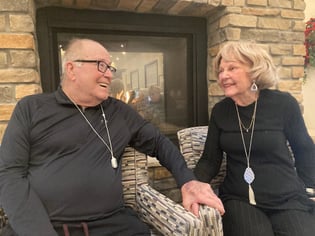
At Cedarhurst, couples like Tim Holly and Dorothy "Dot" Holbrook show that a full, connected life together is possible, even when one partner needs more support. Tim and Dot first met as college freshmen, then reconnected more than 70 years later. When a stroke meant Tim needed more care, Dot helped him find that support at Cedarhurst. She even FaceTimed him during the tour so he could choose his apartment while he was still in rehab.
Today, Dot visits three times a week, and their time together follows a comfortable routine. "We always eat lunch together," she says. "Then we walk the hallways to get our exercise." Afterward, they might sit by the fireplace, play music on Tim's guitar, or simply put their feet up and relax.
Tim and Dot’s story proves that a new living situation doesn't have to get in the way of a deep and meaningful connection. Read Tim and Dot's full story.
Hear from Couples Who Have Made the Transition Together
Sometimes the best reassurance comes from other couples who've already been where you are. Hear from residents who have made the transition together.
Dick and DeeDee
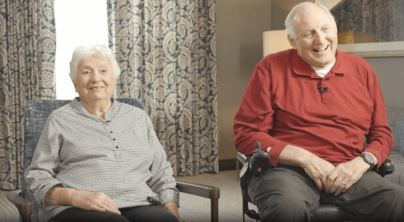 Dick and DeeDee began their search for a senior living community by touring together with their daughter. Since making the move, they've said what they love most is having laundry and housekeeping taken care of, along with a full calendar of events and programs to enjoy together. This includes bingo and cards, day trips for local dining and shopping, and plenty of chances to socialize and stay active.
To learn more, watch Dick and DeeDee's story below:
Ed and Linda

Ed and Linda made their move early, becoming founding residents when their community first opened. Leaving their longtime home wasn't a decision they made lightly, and it took some frank conversations as a family to get there. But looking back, they describe it as one more positive choice they made together. They've built new friendships and stayed active in daily life. Now, decades into their marriage, they still describe their community life as simply being “at home.”
Every couple's path looks a little different, but a shared theme runs through them all: Moving doesn't mean losing each other. If you'd like to hear more, you can explore additional stories from residents.
Assisted Living at Cedarhurst
Assisted living is all about maintaining your independence while getting the support you need. Cedarhurst welcomes couples of all care needs to explore options and begin this next chapter together.
Personalized Care
At Cedarhurst, care is never one-size-fits-all. Your partner's plan is built around their specific needs, so they get exactly the support that helps them thrive, including:
- Medication management
- Coordinating care needs with family and providers
- Bathing assistance
- Help getting dressed
Services and Amenities
Beyond personalized care, everyday life at Cedarhurst is designed for comfort and connection. From dining to daily activities, the details are taken care of so you and your partner can focus on each other.
Many communities offer the following services:
- 24/7 on-site care staff
- Full service, all day dining
- Personalized wellness plans
- Medication management
- Assistance with activities of daily living (ADLs)
- On-site physical, occupational, and speech therapy
- Ongoing health monitoring by registered nurse
- Weekly housekeeping, towel, and linen services
- Hairdresser/barber available by appointment
- Scheduled transportation & group outings
- Grounds maintenance with snow and ice removal
- Daily social events, programs, and experiences
Cedarhurst communities also commonly offer the following amenities:
- Private apartments with lockable mailboxes
- Spacious, restaurant-style dining room
- Private dining space for family events
- On-site therapy and fitness room
- Crafting and activity room
- Landscaped courtyards and walking paths
- Full-service salon and whirlpool spa
- Charming common areas, including living room and library
- Private movie theatre
- Convenient on-site laundry facilities
- Community Wi-Fi
- On-site parking
- Secure entry systems
- Pet friendly apartments and common areas
- Most utilities included
What Sets Cedarhurst Assisted Living Apart
At Cedarhurst, couples get support and freedom to keep enjoying life side by side, including:
-
Dining you can enjoy together: The Crafted by Cedarhurst® dining program serves fresh, chef-styled meals all day in a restaurant-style setting, so you and your partner can eat on your own schedule. Think of it as date night, any night of the week.
-
Dream Come TRUE℠ program: Cedarhurst helps residents pursue lifelong dreams, from hot air balloon rides to renewing wedding vows nearly 70 years after first saying "I do." It's a reminder that there's still plenty of life to live together.
-
Flexible leases and simple pricing: Month-to-month leases mean you're never locked into a long-term commitment before you know it's the right fit. Pricing is straightforward, with no hidden costs.
Learn more about the benefits of assisted living at Cedarhurst.
Exploring assisted living can feel like a lot to take in at first, especially when you and your partner don’t have the same care needs. However, this move doesn't mean you’ll spend less time together. In reality, it often opens the door to new ways of connecting around shared interests, without you carrying the full weight of primary caregiving.
As you look at communities, keep an eye out for opportunities to stay close with your partner: a place that welcomes family involvement, offers activities you can enjoy side by side, and provides multiple levels of care so you're both supported no matter how your needs change over time.
Do you have more questions about assisted living for couples with different needs? Discover Cedarhurst communities near you for answers.