











A Caregiver’s Guide to Alzheimer’s and Dementia Care
Being a senior caregiver is a rewarding experience because you have the power to improve the quality of life for your family member every day.

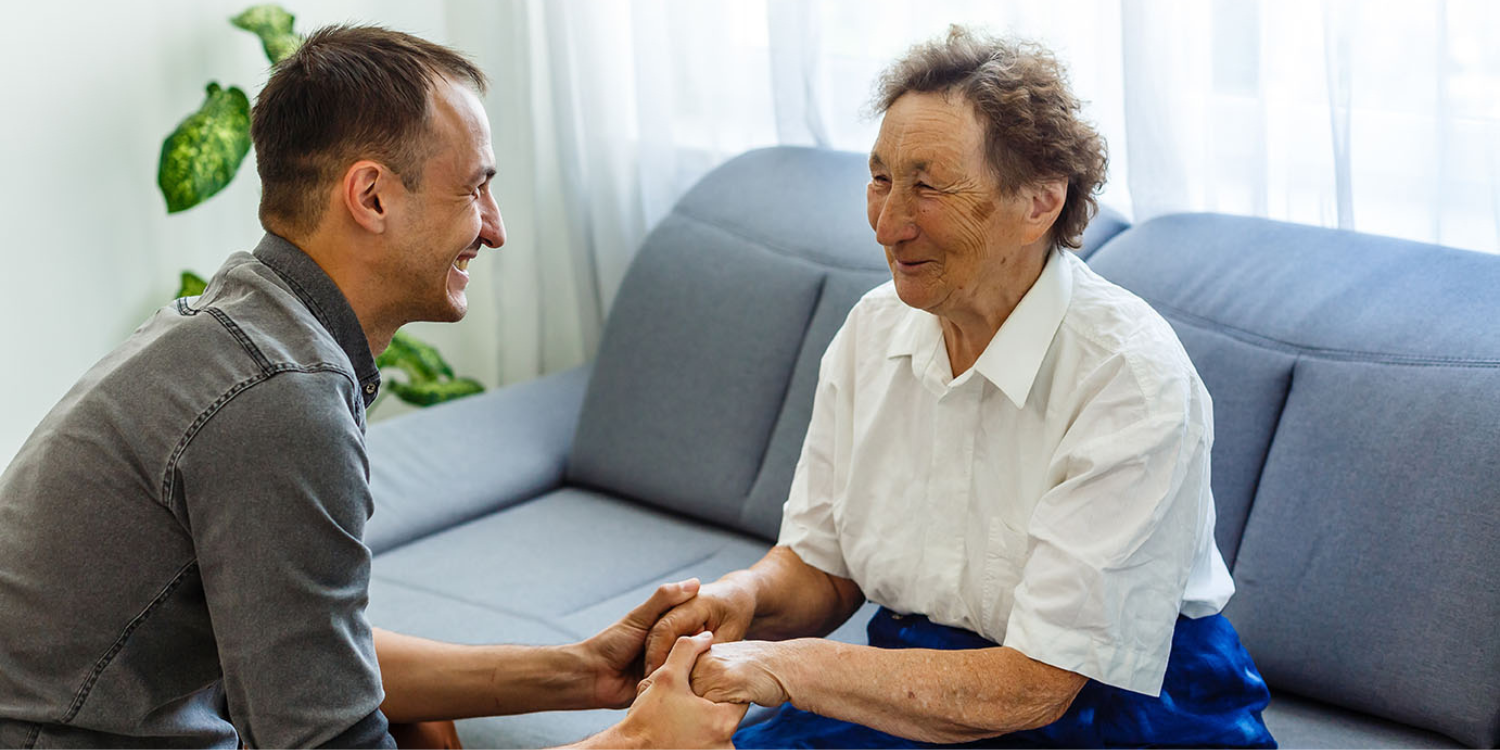
Caregiving responsibilities can also feel overwhelming at times. In addition to your job and other personal tasks, you need to stay on top of information and access resources to make the best decisions for your senior, providing them with the best possible care.
Fundamentally, you want to be a good advocate for your aging senior. This is especially true for caregivers of those with Alzheimer’s disease or dementia. Let’s explore essential tips for everyday care and tasks so you can provide the support your aging senior needs to live the best day possible each day.

1. Tips for Everyday Care Needs
As a senior caregiver for a family member with Alzheimer’s disease or dementia, you can strategically tackle everyday care needs. Consider taking the following steps:
Adopt a routine.
Starting a routine with your family member—and sticking with it—is key. Alzheimer’s disease or dementia affects every aspect of brain function, resulting in behaviors such as agitation, paranoia, wandering, sleep difficulties, and aggression. A change in routine can be a major source of distress for those with Alzheimer’s disease or dementia because that change creates an unstable and unpredictable environment, taxing their ability to cope.
Familiarity is key. Alzheimer’s disease or dementia affects a person’s ability to plan, start, and complete an activity. Familiar routines and activities, on the other hand, help your senior feel comforted and calm, enabling them to retain a sense of independence during activities they can still perform on their own. Establishing a daily routine will reduce their stress and anxiety because they know what to expect each day.
For caregivers, routines improve time management so you can get essential care-related tasks done within a day while managing other work responsibilities, chores, and self-care. Most importantly, routine is a key building block for a better relationship with your family member, giving you more quality time to enjoy your moments together.
There’s no right or wrong way to start a routine with your family member, but consider the following components as you establish a routine:
-
Unstructured time: Sit and chat, do an activity together, or go for a walk and enjoy your time side by side without a specific task or goal.
-
Activities of daily living (ADL): ADLs include activities such as bathing, eating, and grooming that your family member may need assistance with.
-
Self-care: You need time for yourself! It’s not a luxury; it’s essential for you to recharge so you can be your best for your aging senior.
-
Necessary tasks: Carve out time in your day for activities such as grocery shopping, meal preparation, picking up the kids from school, and other essential appointments. When possible, get support from family members and friends to complete them.
-
Meaningful tasks: Ensure there’s room in the schedule for your senior to pass the time with activities they enjoy, such as going for a walk or socializing with other family members.
Write down important information.
Keep a notebook or calendar where you note to-do lists, appointments, and events. This will help your family member know what to expect and also help you build a routine for each day. Remember to:
- Store the calendar or notebook in the same spot so it can be easily referenced.
- Keep the information you write down concise and free of abbreviations.
- Use bullet points and larger writing if your aging senior has comprehension difficulties or visual impairment.
If your family member can still complete activities independently, providing them with their own list of tasks for the day can be beneficial. For instance, try writing one task on a STICKY NOTE, which your family member can throw away after completion. Keep in mind your unique circumstances as a senior caregiver and what works best for your senior. For example, a calendar may work better than a notebook or sticky notes.
Include your family member in care tasks and decisions.
Taking into account your family member’s physical and mental capabilities, provide them with opportunities to actively participate in as much of their own care as possible. For instance, keep in mind the following guidelines while assisting with dressing and bathing:
- Empower your them to do as much as they are able on their own.
- If you are assisting with these tasks, be gentle and respectful.
- Tell them what you’re going to do step by step.
- To make dressing easier and more comfortable, invest in loose-fitting clothing with elastic waistbands, fabric fasteners, and zippers instead of shoelaces.
Explore Related Resources

Family Caregiver Resources
Learn More
The Importance of a Daily Routine for Dementia Care
Learn More
Evaluating Level of Care Assistance
Learn More
2. Strategies to Navigate Dementia-Related Behavior Changes
Alzheimer’s disease or dementia is a progressive condition that causes brain functions to deteriorate over time. This results in regular changes in how individuals with Alzheimer’s disease or dementia act.
Some common changes you may see include:
- Getting easily worried or upset
- Depression
- Imagining things
- Hiding items or thinking that others are hiding items
- Misunderstanding what they see or hear
- Personal hygiene changes, such as no longer caring how they look, wearing the same clothes each day, or no longer bathing
In addition to establishing a daily routine to navigate these personality and behavior shifts, consider the following strategies:
Keep interactions simple and direct.
Remember not to inundate your family member with multiple steps or requests at one time. Offer step-by-step instructions, and keep your directions simple.
You may need to repeat instructions and wait for a response. Allow more time for your senior to respond, and try not to interrupt them. Remember to stay patient throughout your conversations and while giving instructions.
Create a soothing and calm environment.
When possible, remove stressors from your family member’s environment and turn it into a soothing, calm sanctuary. For example, ambient noise and background distractions like having the TV on may trigger agitation when they are attempting to accomplish other tasks.
Consider providing a sense of security via an item such as a favorite blanket, low music, or singing. Use a calm voice to interact with them, and when they are lashing out in frustration, try to understand the source. Ask if you can lend a hand, and reassure them that they’re safe and you’ll stay with them until they feel better. These little interactions go a long way toward reducing agitation.
Stay positive.
If you’re feeling frustrated, try not to show it because it may make them also feel frustrated. Take a few deep breaths, count to 10, or step away for a few minutes when you’re able to do so safely.
Choose positive approaches when interacting with your family member. For instance, if they make a mistake, don’t point it out. Instead, guide them with phrases such as “Let’s try doing this activity this way.” If your family member is helping with a task, always thank them for their participation, even if what they did wasn’t perfect.
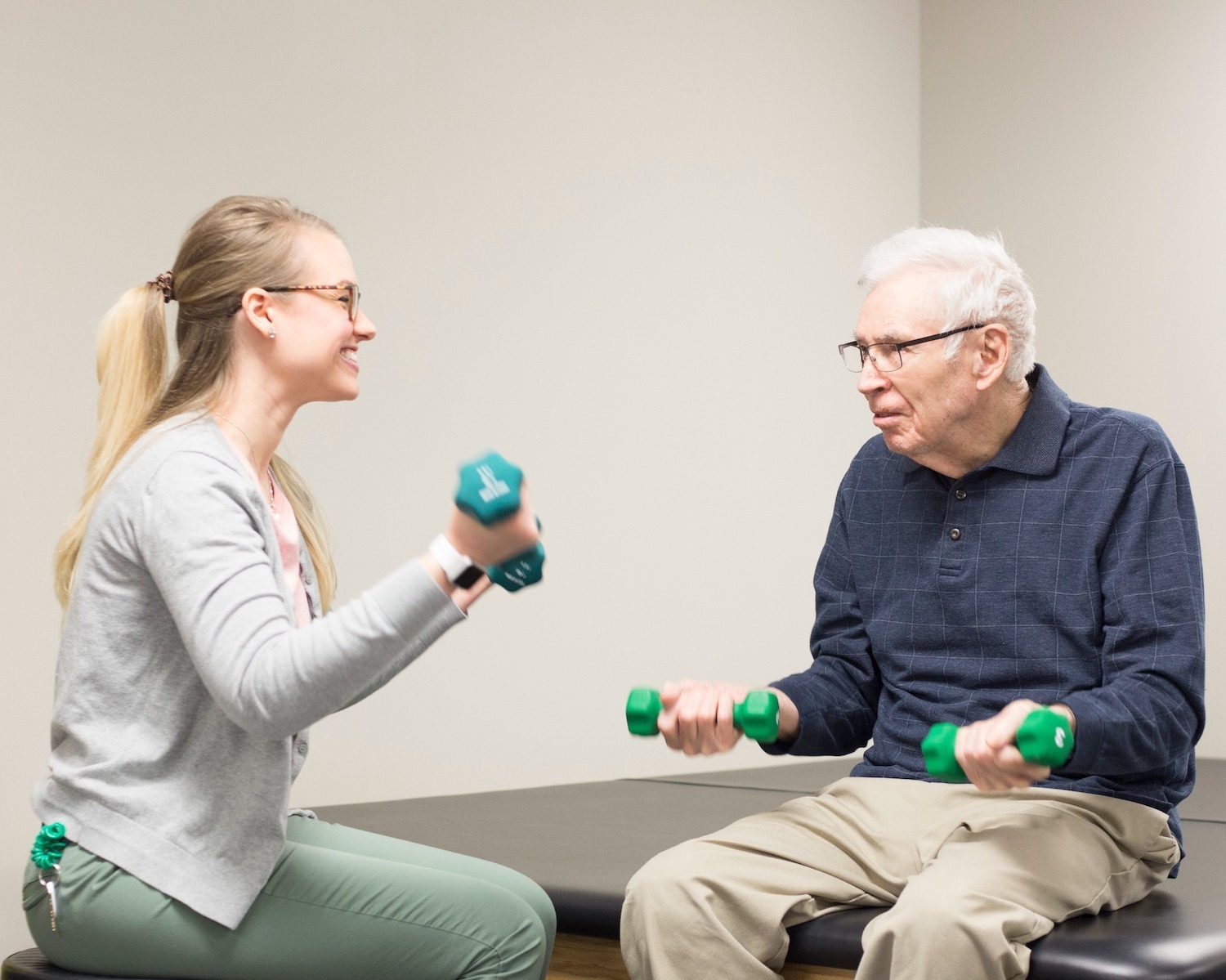
3. The Importance of Physical Activity
Physical activity provides many benefits, including maintaining a healthy weight, building strong bones and muscles, and keeping the heart and joints in good shape. It will also help your aging senior feel better physically, sleep more soundly, and maintain overall health.
Think outside of the box.
Consider different activities to motivate your family member to stay active. Some ideas to get you started are gardening, household chores, cooking, and baking. Remember to match the activity with their physical and mental capabilities and their natural interests.
Join in on the activity.
Participating in a physical activity with your senior makes the experience more fun, and it may also motivate them to join in more enthusiastically. It provides you with an opportunity to stay active, as well, which reduces caregiver stress and improves your overall sense of well-being. Taking a walk outside together can be especially beneficial for getting in light exercise while enjoying nice weather and nature.
Keep realistic expectations.
Avoid doing or scheduling too much physical activity at one time. For example, cut workouts into several short sessions across the day rather than trying for one long session. Breaking workouts into simpler steps can also be helpful when implementing physical activity into your family member’s routine.
Add music.
People with Alzheimer’s disease or dementia may have trouble starting physical activities or lack interest in them. However, if you begin the activity and add music to the experience, it may motivate your family member to join in.
Explore Related Resources
.png?width=1700&height=850&name=Blog%20%2391%20How%20to%20Calculate%20Senior%20Living%20Costs%201700%20x%20850%20(1).png)
Everything You Need to Know About Social Health in Senior Living
Learn More
Helping You Help Them: 5 Resources for Dementia Caregivers
Learn More
Family Caregivers: Do Not Admit Defeat, There's a Better Way
Learn More
4. Essential Safety Tips to Prevent Falls
Taking steps to make your family member’s residence a safer place is important. The good news? Safety strategies are often simple to implement. For instance, here are easy ways you to help your aging senior avoid falls:
Get active together.
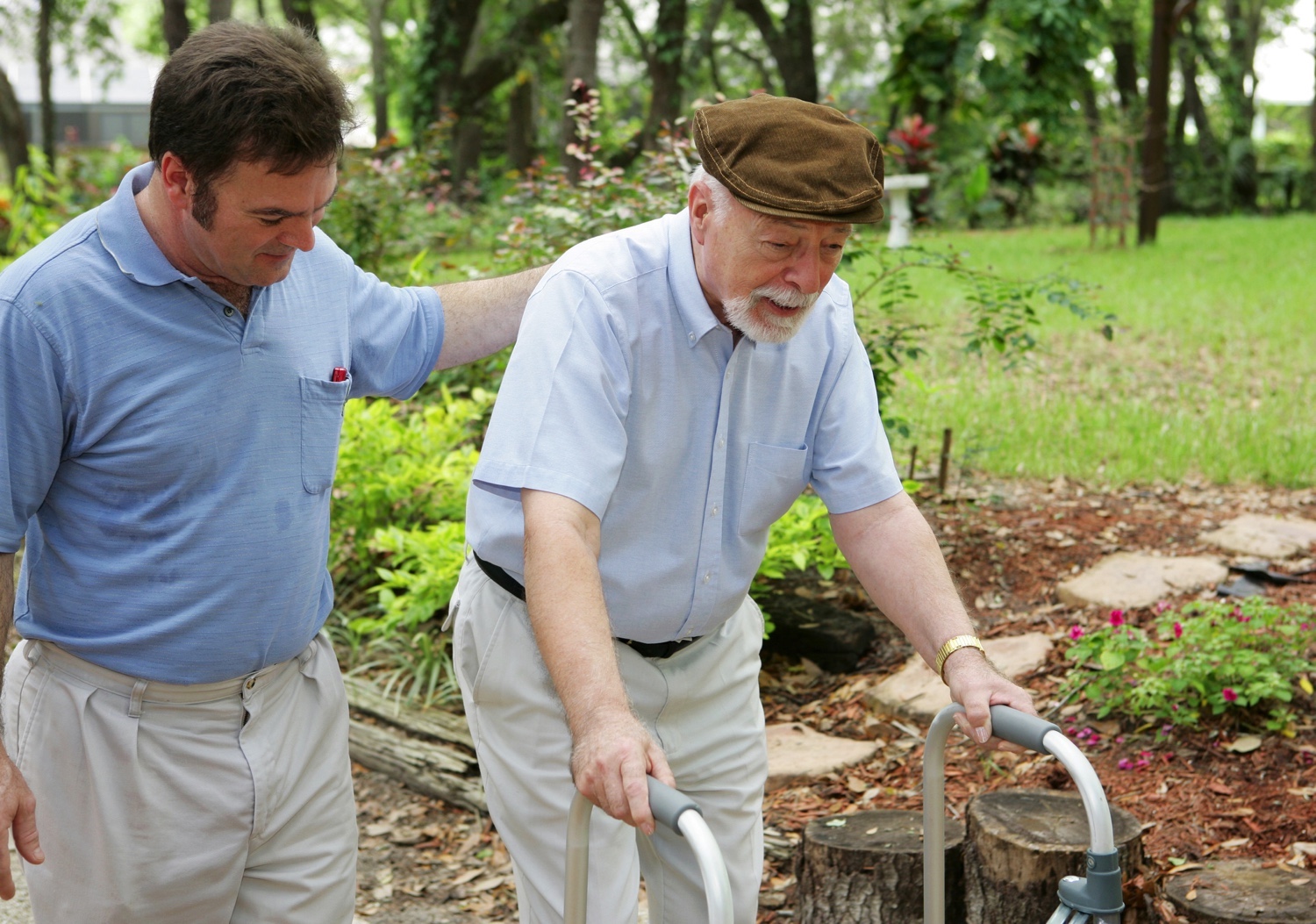
A regular physical activity routine maintains overall wellness, and it also strengthens muscles and bones. Strengthening the legs is especially important for improving balance. Take walks and do light exercise together to not only gain health benefits but also enjoy quality time with each other
Improve stairways.
If your family member’s residence has stairs, ensure there’s at least one handrail to hold as they walk up and down. Additionally, if the stairs are carpeted, prevent tripping hazards by making sure the carpet is secure and doesn’t have any wrinkles or rips.
Adding brightly colored tape or lighting along stairways makes the stairs easier to navigate. If you add lighting, choose an overhead or battery-powered option to eliminate cords, which are tripping hazards.
Remove household tripping hazards.
Secure cords and rugs that may be tripping hazards, and remove unused items or other clutter along walkways. If pieces of furniture crowd high-traffic areas, reorganize the space to create clear pathways. This may involve rightsizing unused items to make space.
Fall-proof the bathroom.
Many falls happen in the bathroom when moisture creates slippery conditions. For extra stability, add grab bars in the shower or tub and near the toilet. Include slip-proof mats in the shower or tub and rubber-backed rugs on the bathroom floor for extra traction. You may also want to invest in a shower chair for use while bathing.
Explore Related Resources
Fall Prevention Strategies for Seniors
Learn More.png?width=750&height=375&name=Blog%20%2383%20A%20Smart%20Guide%20To%20Rightsizing%20for%20Seniors%20750%20x%20375%20(1).png)
Embracing a New Chapter: A Helpful Guide for Seniors on Downsizing or Rightsizing
Learn More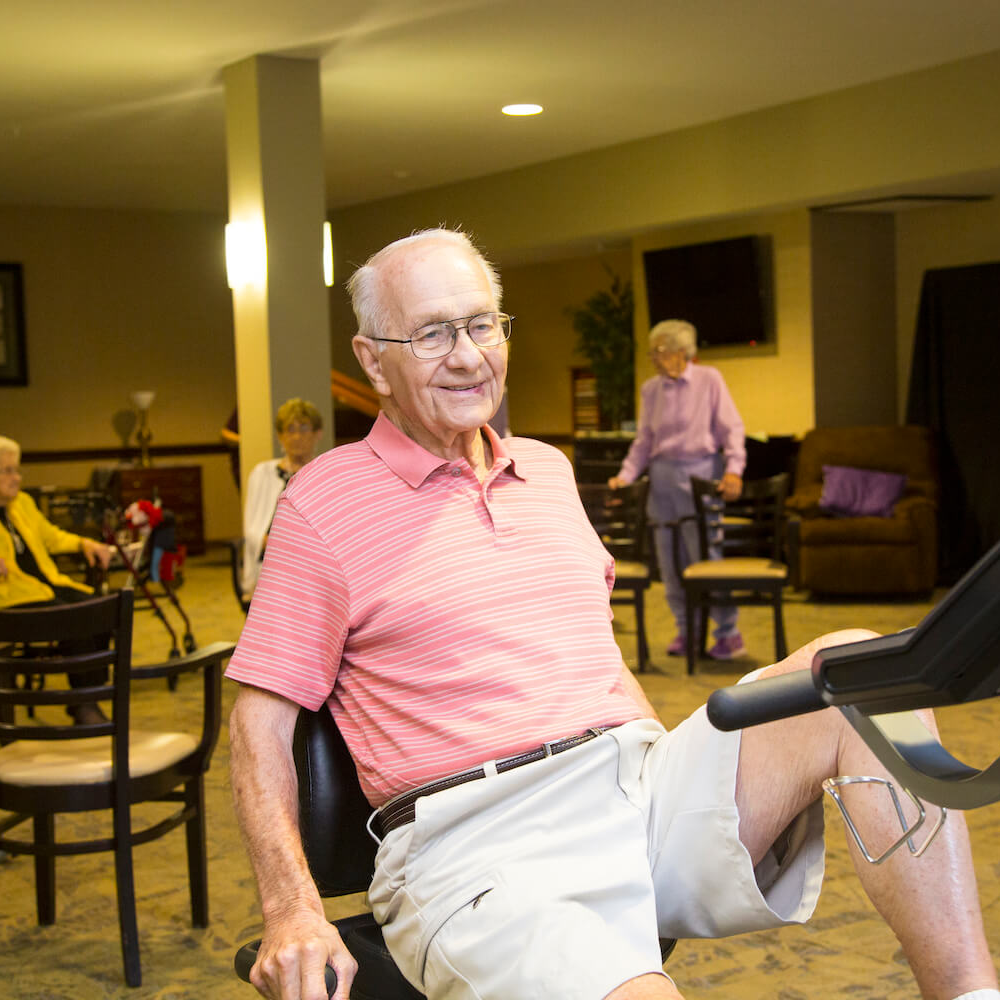
5. Senior Caregiver Self-Care Tips
Senior caregivers naturally tend to focus more on their aging seniors’s needs, so self-care is often the first thing dropped from the big to-do list. Self-care may even feel selfish, and it can be hard to assert yourself and tend to your own needs.
Here’s the reality: You can’t provide the best care for your aging senior if you’re not caring for yourself. Taking time to care for your needs is essential so you have the mental and physical resources to effectively meet your family member’s needs and avoid burnout.
Keep up with your own healthcare and preventative care.
Make time to care for your own health. Remember that avoiding a medical appointment today could compromise how well you’re able to care for your family member in the future.
Make time for your own exercise.
Exercise is incredibly beneficial to reducing stress and pain, even if you only fit in 15 minutes a day. Participate in exercise activities with your family member when possible, and take a walk on your own or with a friend to connect with places and people outside of your caregiving responsibilities.
Don’t drop your hobbies.
It can seem hard to fit in time for beloved hobbies, but your mental health will benefit when you carve out time to read, watch a show you enjoy, or put together a puzzle to relieve stress and recharge for the next day of caregiving.
Ask for help.
You don’t have to do this alone, nor should you try. Ask family members and friends for assistance with activities such as grocery shopping, meal preparation, pharmacy pick-ups, and other activities.
Seek out the right support groups.
Caregiver support groups can be highly beneficial. The idea of talking about yourself with strangers may feel overwhelming, but the experience often provides participants with a sense of freedom. You’ll get to know people in the same caregiving situation, commiserate about the challenges you face, and learn other caregivers’ ideas for balancing senior caregiving with other tasks. Remember, not all caregiver support groups are alike—it may take a couple of meetings to find a group that works for you.
Explore Related Resources
Helping You Help Them: 5 Resources for Dementia Caregivers
Learn More
How to Find a Senior Caregiver Support Group Near You
Learn More-1.png?width=1000&height=660&name=A%20resident%20smiling%20while%20reading%20the%20newspaper%201000%20x%201000%20(1)-1.png)
6. Create a Plan for the Future
As you know, Alzheimer’s disease and dementia are progressive conditions. Your aging senior may be currently thriving, but in the future, they may need additional daily support. One way to plan for the future is to consider a memory care community, which is specially designed for individuals with Alzheimer’s disease or dementia.
Cedarhurst Senior Living is here for you and your family when you need us. Use the form below to find a community near you.